
Full mouth cleaning

Maintaining healthy teeth and gums

Why Full Mouth Cleaning?

Full mouth cleaning, also known as professional dental cleaning, is an essential part of maintaining healthy teeth and gums. Even with regular brushing and flossing, plaque and tartar can build up over time—leading to oral health problems if not removed professionally.
Why Do You Need Full Mouth Cleaning?

You may need professional cleaning if you experience:

  • Yellow or stained teeth
  • Bad breath (halitosis)
  • Bleeding gums while brushing
  • Plaque or tartar buildup
  • Gum swelling or sensitivity
  • Irregular dental hygiene routine

Book Appointment Today


Benefits of Full Mouth Cleaning

Professional tools clean areas that regular brushing cannot reach.

Helps protect against gingivitis and more serious gum infections

Eliminates bacteria responsible for bad breath

Dentists can identify cavities, gum problems, or other concerns early

Aftercare Tips

  • Avoid very hot or cold foods immediately after cleaning
  • Maintain daily brushing and flossing
  • Use a dentist-recommended mouthwash
  • Schedule regular dental check-ups

Who Should Get Full Mouth Cleaning?

  • Adults and teenagers
  • Smokers or tobacco users
  • People with braces or dental restorations
  • Anyone experiencing gum or hygiene issues

Our Treatments

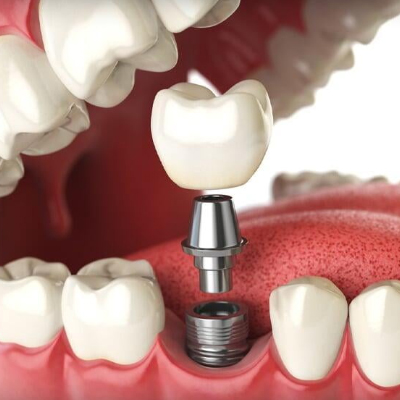
Dental Implants

Dental implants have become the treatment of choice to replace lost or missing teeth, and when done under proper surgical technique, success rates have surpassed 95%.
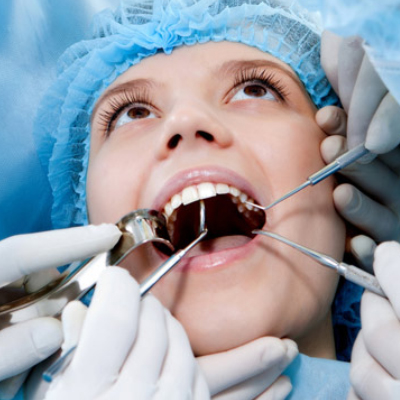
Oral Hygiene

Oral Hygiene includes any procedure that requires cutting into or removing tissue from the mouth. Tooth removal, gum Hygiene, dental implants, removing diseased tissue from the mouth.
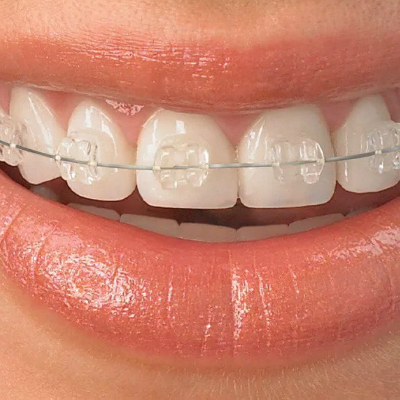
Clear Aligners

The biggest alternative to traditional braces is clear aligners. They also use force and pressure to get the teeth back to shape. It is made up of strong plastic which is engineered to fit every patient’s mouth.
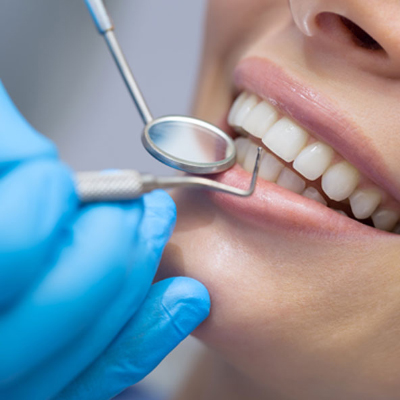
least discomfort Dentistry

Dental procedures can often be quite least discomfort in spite of all the modern day advancements because often it is not the needle that hurts but the sight of it.

Close